From 12 to 14 October, Jelena Lazić, PMO coordinator for SMART ERA at ICONS, followed the European Week of Regions and Cities in Brussels. Here is a short diary of her visit, with the moments that matter most to the project.
13 October: heritage and digital enablers
A session on heritage and traditional ecosystems, “From Heritage to Growth: Revitalising Traditional Ecosystems in Europe’s Regions” looked at regions facing depopulation and industrial transition. Digitalisation emerged as an enabler for rural areas, a theme close to SMART ERA’s work.
13 October: the SMART ERA workshop
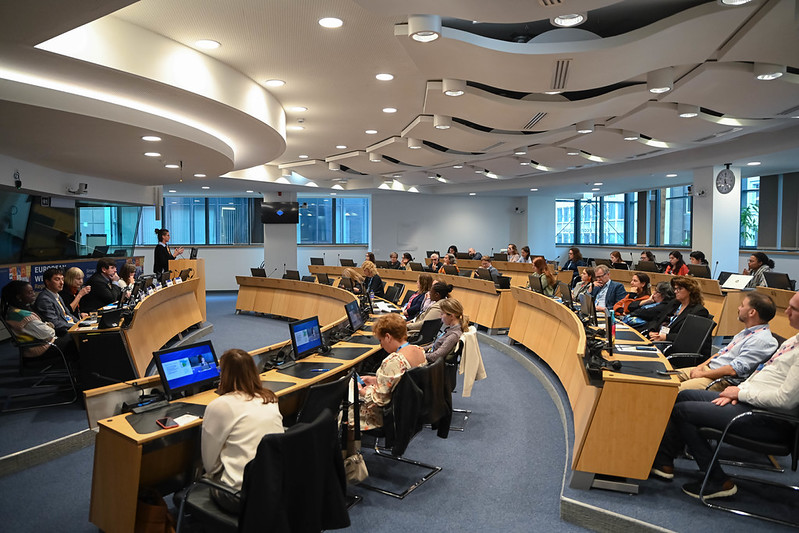
In the late afternoon, SMART ERA joined its sister Horizon Europe projects FUTURAL and RURACTIVE to co-host a workshop, “From grassroots innovation to EU policy: governance pathways linking local action and European strategies”. It explored how digital, social and governance innovation born from local experimentation meets top-down approaches, and which governance mechanisms can bring local knowledge into the post-2027 policy framework and the “right to stay”: the idea that people should be able to build their future in the place they call home.
Speakers came from the Assembly of European Regions, the European Rural Community Alliance, the University of Bologna and Fondazione Bruno Kessler, SMART ERA’s coordinator, with SMART ERA partner AEIDL moderating. Three messages stood out:
- Rural and local voices belong in policymaking at every stage, including service planning. Local and regional actors know best what happens on the ground.
- Solutions should outlive projects. Plans developed with communities need to keep going after the project ends, and the discussion highlighted that the three projects are already contributing to EU policies and strategies.
- This is, ultimately, a debate about democracy. Public trust is crucial, yet communities in low-density areas are still too little involved, including in how investments are delivered.
14 October: intermediary cities and the “right to stay”
A session on intermediary cities, “Driving competitiveness and inclusiveness in intermediary cities: Supporting the Right to Stay in the EU” explored how small and medium-sised urban centres, which provide services to surrounding areas, can act as hubs for growth and as links with rural areas, a key factor in reversing depopulation. The “right to stay” concerns rural areas as well as coastal, remote and mountain territories, and multilevel governance came up again and again.
With SMART ERA running until the end of 2027, there is still plenty of local experience to bring to the table, because the future of Europe’s rural areas is best written together with those who call them home.
cover photo ©EU Week of Cities and Regions