
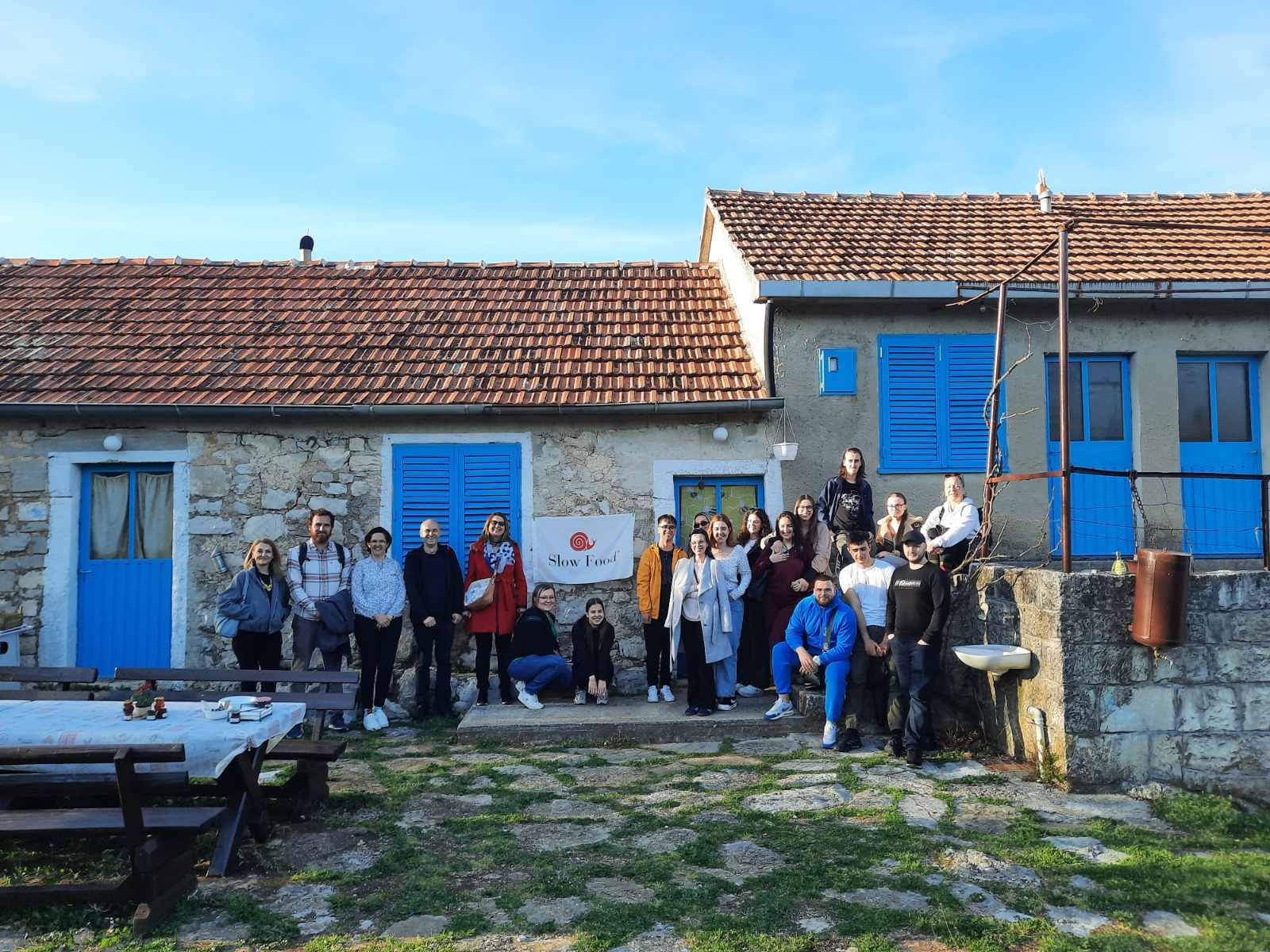
Slow Food Trebinje and Tourism Organisation of the Republic of Srpska hosted a 3-day study visit in Eastern Herzegovina.
Slow Food Trebinje Herzegovina, in cooperation with the Tourism Organisation of the Republic of Srpska, organised a three-day study visit in Eastern Herzegovina for second- and third-year students of the Geography Study Programme at the University of Banja Luka.
The initiative combined academic exchanges with students and professors from the College of Tourism and Hotel Management and the Secondary School Center in Trebinje with hands-on field visits to small-scale rural producers, directly at their farms across Trebinje, Bileća, Gacko and Nevesinje.
Presenting SMART ERA and the “Most Beautiful Villages” network
At the College of Tourism and Hotel Management in Trebinje, the programme featured a dedicated presentation of the SMART ERA project and its Smart Innovation Packages (SIPs). The session also included a contribution from Ms. Sarah Devisme of the Alterural Association, who introduced the initiative “The Most Beautiful Villages of Bosnia and Herzegovina” a network that proudly includes the village of Bratač, in Nevesinje.
Connecting young people with rural producers
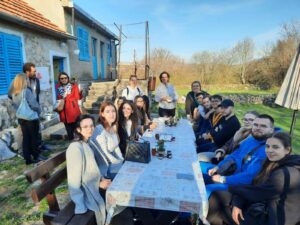
The study visit offered tourism students a unique, practical opportunity to engage with small producers and rural households across East Herzegovina. Through direct contact and field visits, participants gained first-hand insight into everyday food production and the knowledge, effort and dedication behind each product.
In Bileća, the group visited the Dželetović agricultural household, where students observed the traditional cheese-making process and tasted authentic local products. The day continued along Bileća Lake, with stops at the stećak necropolis overlooking the lake and a walk through the city centre.
The journey then led to Gacko, in the village of Vrba, where hosts from the Association of Gacko Kajmak Producers, led by Milenija, prepared an unforgettable welcome: a traditional lunch with freshly made young kajmak, homemade pogača bread and sweeping mountain views — an experience that captures the very soul of Herzegovina. The group also visited Vrba Lake and the Klinje Dam, the oldest arch dam in the Balkans and a remarkable testament to the region’s engineering and historical heritage.
The programme continued through Nevesinje, with visits to the stećak necropolis in Kalufi, the historic site marking the start of the Nevesinje Uprising, the village of Bratač, one of the most beautiful villages in BiH, and the Ovčiji Bridge with its Roman road. The day concluded with a stroll through Nevesinje’s old town centre.
Discussions with hosts and producers throughout the visit addressed the key challenges facing the region: rural depopulation, destigmatising rural life, and digitalisation in rural areas. By spending time in rural settings, participants experienced rural tourism not as mere visitors but as active participants in the life of the communities they visited, meeting people who preserve tradition through their work and create authentic local offerings.
Cultural and natural heritage along the route
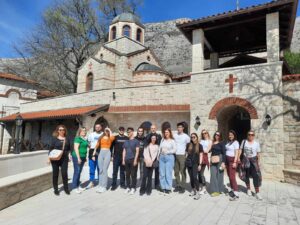
Throughout the three days, participants also explored a rich selection of cultural and natural sites that highlight the area’s tourism potential, including: Mrkonjići Monastery, Tvrdoš Monastery, the Old Town of Trebinje, Square of Freedom, Poets’ Square, Hercegovačka Gračanica Monastery, Bileća Lake, the Stećak Necropolis of Bileća, the Church of Saint Sava in Bileća, Gacko Field, Klinje Lake and Dam, Desivoje Lake, the village of Bratač, and the Ovčiji Bridge with its Roman road.
Activities like this one are at the heart of SMART ERA‘s work in the East Herzegovina pilot region, where strong emphasis is placed on engaging young people and women in community-led rural development. Creating direct links between students, schools, producers and local associations opens space for a new understanding of tourism and lays the foundation for future cooperation between young professionals and rural communities.
Every step of this journey gave students the chance to experience what matters most: authenticity, hospitality, and the enormous potential of Eastern Herzegovina for sustainable tourism development.